29 September 2025
Loading



Velmor Teknoloji
28 September 2025
The energy sector is undergoing a major transformation on a global scale. Increasing demand, the integration of renewable energy sources and the necessity to combat climate change make it essential for energy infrastructures to become smarter, more flexible and more efficient. At the center of this transformation are Internet of Things (IoT) technologies and grid automation. IoT enabled smart energy management offers new opportunities to both producers and consumers through real time data collection, analysis and automated decision making mechanisms.
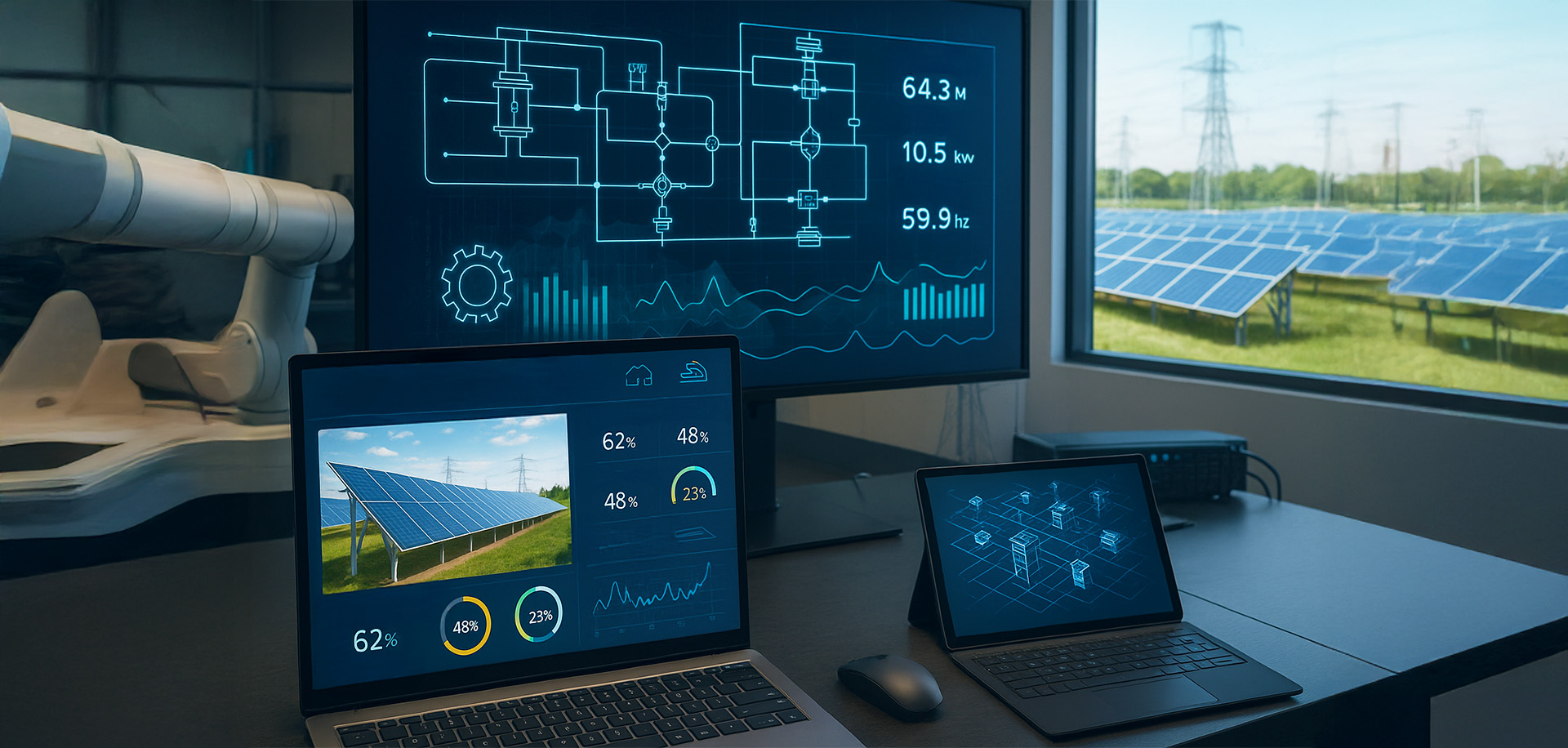
Smart energy management refers to systems designed to optimize the production, distribution and consumption of electricity. IoT devices act like the nervous system of these systems by collecting data at every stage of energy flow and processing it to improve operational efficiency. With sensors, smart meters, connected devices and cloud based analytics platforms, energy consumption patterns can be monitored and managed instantly. This reduces both costs and environmental impacts.
Moving to a new topic:
Grid automation means that energy distribution networks manage themselves without human intervention. IoT sensors and remote control systems detect faults, balance loads and enable immediate response to interruptions. This increases grid reliability, lowers maintenance costs and improves customer satisfaction. Grid automation is especially critical for managing the fluctuating production profiles of renewable energy sources.
Another important aspect of IoT enabled smart energy management is demand side participation. Smart meters and home energy management systems provide consumers with real time price information, consumption trends and savings recommendations. In this way users consume energy more consciously, demand is balanced and pressure on the grid is reduced. This model will become even more important with the development of distributed energy resources and microgrids.
Moving to a new topic:
Data analytics and artificial intelligence multiply the potential of IoT in smart energy management. Big data platforms analyze millions of data points from sensors to provide predictive maintenance, fault forecasting and energy demand prediction. This allows energy companies to anticipate outages, optimize resource utilization and make investment decisions more accurately. Real time decision support from AI powered algorithms strengthens grid flexibility and resilience.
Security and data privacy are critical to the success of IoT enabled energy management. Millions of devices connected to energy infrastructure create potential entry points for cyber attacks. Therefore strong encryption, authentication and network segmentation measures must be taken. In addition compliance with regulations and ethical standards in data sharing and processing is indispensable for maintaining consumer trust.
Moving to a new topic:
Standardization and interoperability also play a key role in the development of IoT enabled smart energy management and grid automation. Seamless communication between devices and platforms from different manufacturers ensures that systems work holistically and can scale. International standards and open protocols increase the speed of innovation and reduce costs across the sector.
The opportunities provided by IoT and automation in the energy sector are not only technical but also economic and environmental. Reducing energy losses, lowering carbon emissions, integrating renewable sources more effectively and empowering consumers are just some of these benefits. This transformation also offers new business models and revenue streams for energy companies.
Moving to a new topic:
Public policies and incentives are an important driving force for the widespread adoption of IoT enabled smart energy management. Regulatory frameworks and incentive programs that support renewable energy and digital infrastructure investments accelerate innovation in the sector. In addition cooperation between universities, research centers and the private sector facilitates the development and commercialization of new technologies.
In conclusion IoT enabled smart energy management and grid automation create a revolutionary transformation in the energy sector in terms of efficiency, sustainability and reliability. Supported by the right strategies, strong cybersecurity measures, standardization and stakeholder cooperation, this ecosystem makes future energy infrastructures more flexible, environmentally friendly and user oriented. In this way a win win model emerges for producers, consumers and society alike.