29 September 2025
Loading




Velmor Teknoloji
27 September 2025
The Internet of Things (IoT) and automation, as two of the most powerful components of digital transformation, are fundamentally changing how the modern world operates. The flow of data generated by billions of connected devices, combined with smart sensors and autonomous systems, is reshaping the decision-making processes of businesses, cities and individuals. These technologies affect not only production and service sectors but also everyday life, security and sustainability.
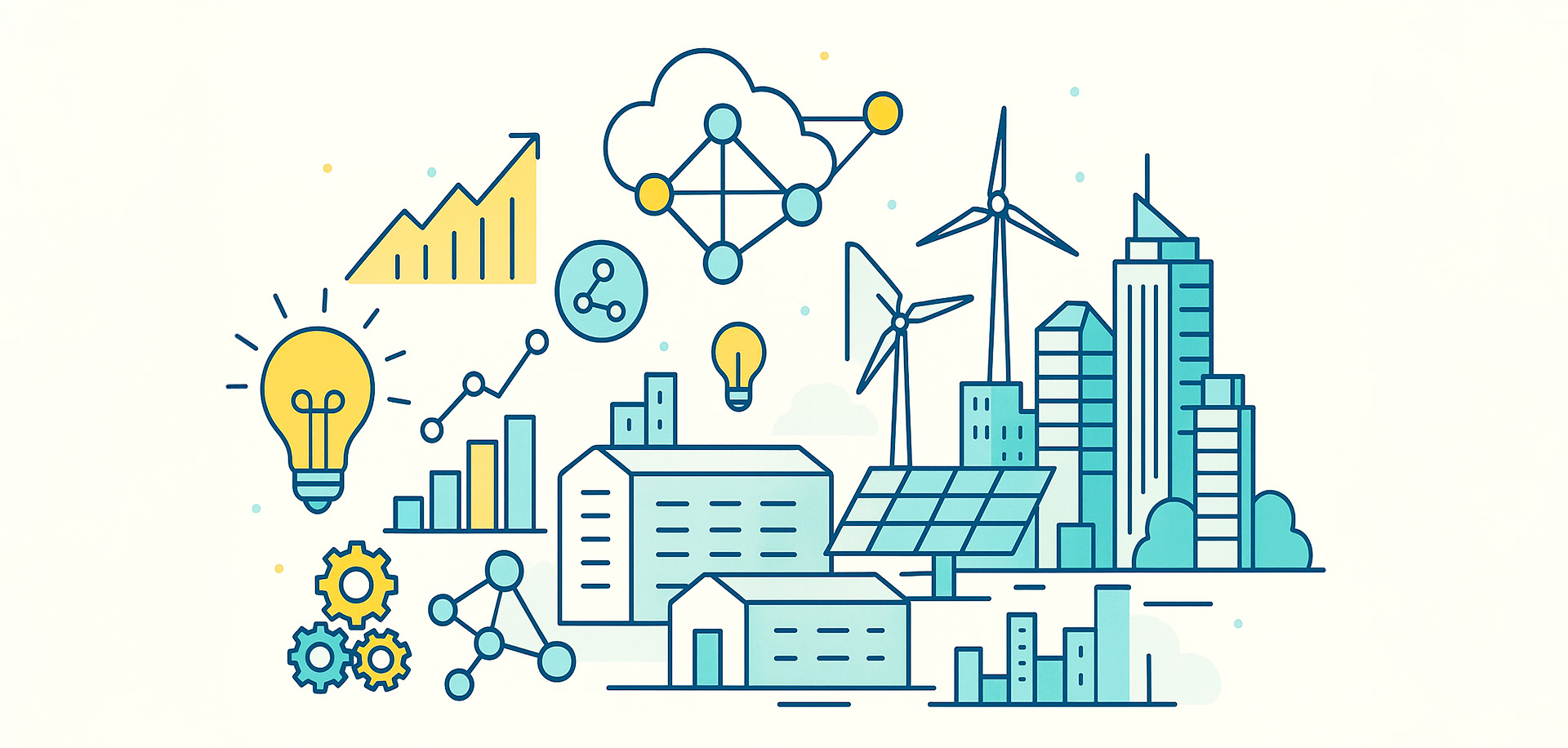
IoT is an ecosystem that enables different devices and systems to communicate with each other and share data in real time. As a result, everything from machines on a factory production line to smart appliances in homes can collect, analyze and direct data. For example, a logistics company can monitor the location, fuel consumption and maintenance needs of its vehicles in real time, reducing operational costs and increasing customer satisfaction. In smart cities, systems ranging from traffic lights to waste management are integrated with IoT sensors to create a more efficient and environmentally friendly living environment.
Automation is the collection of technologies that minimize human intervention and make processes faster, more accurate and more efficient. With the concept of Industry 4.0, robotic systems, artificial intelligence and machine learning algorithms are improving quality and reducing costs on production lines. Automation is not only present in industry; it has found a place in a wide range of areas from banking to agriculture, from healthcare to energy management. This allows people to focus on more creative and strategic tasks while routine and repetitive work is delegated to intelligent systems.
The combination of IoT and automation creates revolutionary opportunities for companies. Real-time data analytics and autonomous decision-making mechanisms provide operational excellence in every field, from production to logistics, from marketing to customer service. In this way, companies not only achieve cost advantages but also gain a competitive edge by personalizing the customer experience. For example, an energy company can analyze data from smart meters with automation systems to forecast demand and dynamically manage energy supply.
The social impact of these technologies is also significant. Smart cities, smart homes, autonomous vehicles and remote health monitoring systems improve people’s quality of life while enabling more efficient use of resources. In terms of environmentally friendly production and sustainability goals, IoT and automation play a critical role by optimizing energy consumption, reducing waste and lowering the carbon footprint.
When moving to a new topic:
The spread of IoT and automation also raises the issues of cybersecurity and data privacy. The vast network created by billions of connected devices becomes a potential target for attackers. Therefore, companies must invest not only in efficiency and cost advantages but also in security and privacy measures. Encryption, authentication, network segmentation and regular security updates are critical for the sustainability of this ecosystem.
Another important dimension is workforce transformation. As automation and IoT systems are deployed, the skill profiles of employees change and digital competencies come to the forefront. Companies need to organize training programs to adapt their employees to new technologies and support an internal culture of entrepreneurship and innovation. In this way, human and machine collaboration can progress harmoniously, and productivity gains can translate into social welfare.
In the future, the role of IoT and automation will increase even further. 5G and the next generation of communication technologies will accelerate device-to-device connectivity, enabling more reliable, lower-latency data flows. AI-powered automation systems will be equipped not only with reactive but also with predictive and adaptive decision-making mechanisms, becoming smarter and more flexible. These developments will create revolutions not only in business but also in healthcare, education, agriculture and public services.
In conclusion, IoT and automation, as the building blocks of the digital age, are shaping the future of businesses, cities and societies. Organizations that adopt these technologies with a strategic vision gain not only today’s competitive advantage but also the potential to build a sustainable and inclusive future. Companies and individuals of all sizes can increase both their success and social welfare as part of this transformation. This journey requires visionary leadership, strong partnerships, continuous learning and flexible organizational structures; but for those who follow the right strategies, it offers limitless opportunities.