29 September 2025
Loading



Velmor Teknoloji
28 September 2025
Technology and innovation have gained unprecedented momentum in recent years as two fundamental forces that feed and accelerate each other. Developments in areas ranging from smart devices to cloud based services, from artificial intelligence to biotechnology affect all aspects of social and economic life. Future smart technologies bring not only more efficient processes or higher productivity but also the construction of an inclusive and sustainable innovation culture. In this new era technology combined with human centered values aims to produce solutions that benefit all segments of society.
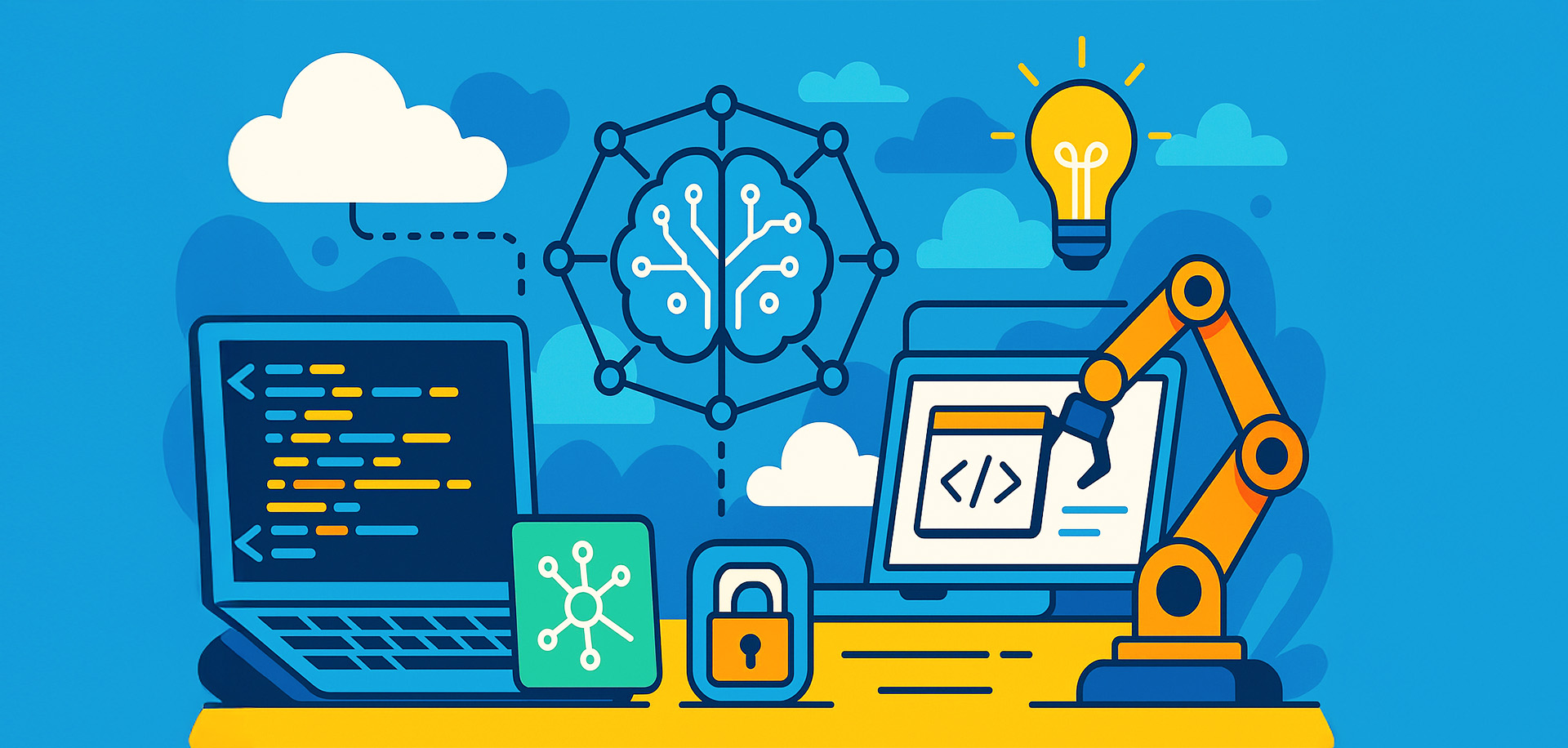
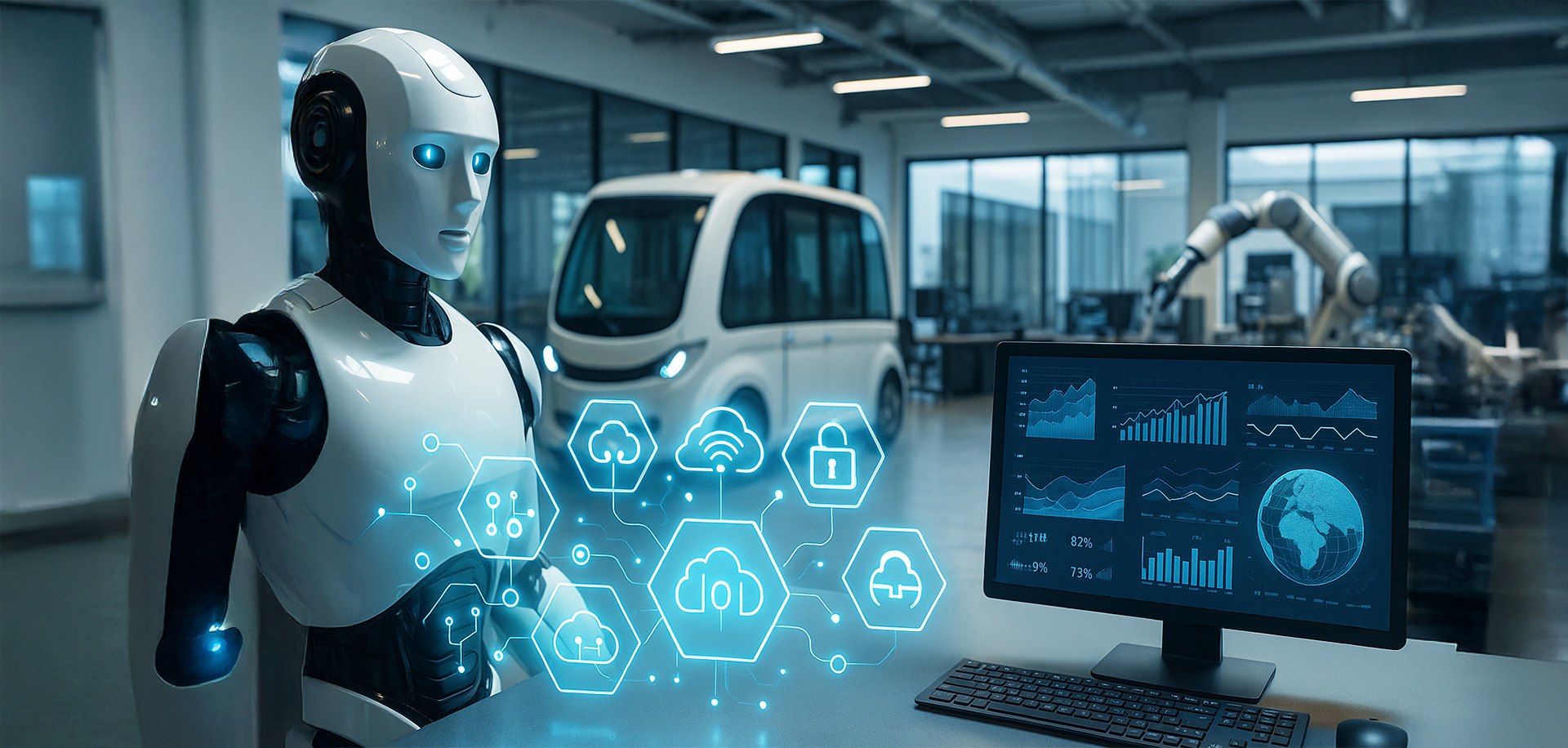
The concept of smart technologies refers to a broad framework that includes artificial intelligence, the Internet of Things, robotics, augmented reality, quantum computing and biosensors. What these technologies have in common is that they create systems that can adapt to their environment through real time data processing and self learning capabilities. For example smart infrastructures in cities optimize traffic flow saving both time and energy while reducing environmental impact. In the health sector wearable devices and AI supported diagnostic systems analyze individuals’ health data to provide early diagnosis and personalized treatment opportunities.
Moving to a new topic:
Inclusive innovation culture represents an approach that envisions technology being used for the benefit of all segments of society not just a privileged few. This culture encourages the inclusion of different socio economic groups, geographic regions and disciplines in innovation processes. For example low cost smart agriculture solutions in developing countries increase the productivity of small farmers contributing to poverty reduction. Similarly digital accessibility solutions for people with disabilities strengthen participation in education and working life supporting social equality.
One of the most important elements of inclusive innovation culture is collaborative and interdisciplinary working models. Collaboration between academia, the private sector, public institutions and non governmental organizations plays a critical role in both the development and dissemination of technology. Open data sharing, joint innovation laboratories and global entrepreneurship networks enable the cross border circulation of innovative ideas. This allows local solutions to be adopted on a global scale and reach wider audiences.
Moving to a new topic:
Sustainability lies at the heart of future smart technologies and inclusive innovation culture. Global problems such as climate change, resource scarcity and social inequalities require that technological solutions be evaluated not only in terms of economic profitability but also in terms of their environmental and social impact. For example smart grids powered by renewable energy sources reduce carbon emissions while expanding energy access. Smart production systems integrated with circular economy models minimize waste and ensure more efficient use of resources.
Ethical and regulatory frameworks are also of great importance in the future of technology and innovation. Preventing bias in AI systems, protecting data privacy and ensuring algorithmic transparency are essential conditions for building user trust. Inclusive innovation culture therefore involves not only technological but also ethical standards being continuously developed. Companies and public institutions should earn and maintain society’s trust through transparency policies and ethical guidelines.
Moving to a new topic:
Education and skills development are another critical component supporting future smart technologies and inclusive innovation culture. Changing workforce profiles and the rise of automation make it necessary for employees to acquire new skills and develop lifelong learning habits. Training programs for large audiences in areas such as coding, data analytics, cybersecurity and design thinking are of great importance to create a workforce compatible with technology. This process not only increases economic competitiveness but also contributes to the growth of social welfare.
Global cooperation and standards secure the development of future smart technologies together with inclusive innovation culture. International organizations, standard setting bodies and multilateral platforms mediate the compatible and fair dissemination of technologies. This encourages entrepreneurs and innovators in different countries to have equal opportunities while facilitating collective solutions to global problems.
Moving to a new topic:
Finally future smart technologies and inclusive innovation culture create new opportunities in societies’ digital transformation journeys while increasing the responsibilities of individuals and institutions. Seeing technology not just as a tool but as a common value creation process is the key to building a fairer and more sustainable future. Smart technologies supported by a human centered, ethical and inclusive innovation approach strengthen not only economic growth but also social solidarity and environmental balance.
Future smart technologies and inclusive innovation culture are a long term transformation that requires vision, courage and collaboration. When this transformation is supported by the right strategies, education, ethical standards and global cooperation it carries societies into a more innovative, more resilient and more equitable future. This path is challenging but also exciting because the combination of human creativity and technology has the potential to solve even the most complex problems facing the planet.