29 September 2025
Loading



Velmor Teknoloji
04 October 2025
The world of technology has always stood on the verge of major leaps. The steam engine launched the industrial revolution, electricity made mass production possible, and computers and the internet opened the doors to the digital age. Today two powerful domains, artificial intelligence and quantum technologies, stand out as the most critical forces that will shape the innovation ecosystem of the coming decades.
Artificial intelligence has long been at the forefront of technology thanks to its ability to derive meaningful insights from large data sets, learn in ways similar to human intelligence and make complex decisions. But when combined with quantum technologies, this power could grow exponentially, surpassing the limits of traditional computing. The parallel computing capabilities of quantum computers could enable AI algorithms to run on much larger, more complex datasets in a fraction of the time.
Moving to a new topic:
Consider the potential impact on healthcare. AI powered diagnostic systems are already showing great success in early disease detection. When quantum technologies are added to the equation, it may become possible to analyze billions of genetic variations simultaneously and simulate the interaction of drug molecules with the human body in highly realistic models. This could accelerate the rise of personalized treatments and even make certain diseases preventable.
The financial industry also holds great potential for transformation. AI is widely used to analyze markets, detect fraudulent transactions and predict user behaviors. But with quantum algorithms, financial risk modeling could reach unprecedented precision. Trillions of possibilities could be calculated in seconds, revolutionizing portfolio management and enhancing global financial stability. This would benefit not only investors but also the global economy as a whole.
Moving to a new topic:
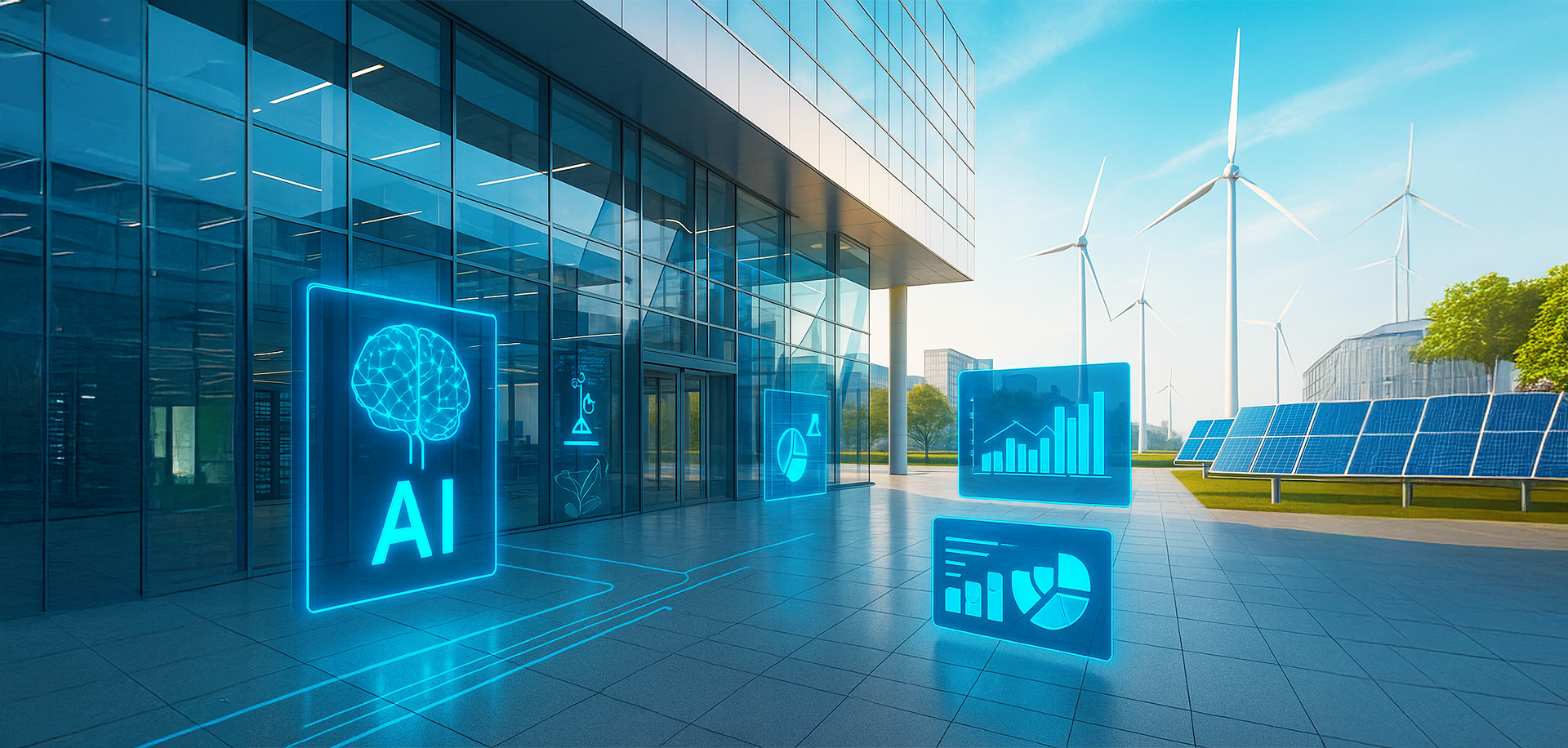
Energy and sustainability are other key areas where these technologies will make an impact. AI already plays a role in optimizing energy consumption, managing smart grids and boosting the integration of renewable energy sources. Quantum computers, on the other hand, could accelerate the discovery of new materials for energy production. Imagine solar panels with far higher efficiency, batteries with longer lifespans or superconductors that minimize energy loss — all made possible through quantum simulations.
At the same time, we cannot ignore the ethical and security dimensions. The transparency of AI decision-making, data privacy and algorithmic biases are already subjects of intense debate. With quantum technologies in the mix, these issues become even more critical. The possibility that quantum computers could break existing encryption methods could force a radical rethinking of cybersecurity. Quantum resistant encryption technologies must therefore be developed as a matter of urgency.
Moving to a new topic:
The influence of AI and quantum technologies will extend beyond purely technical domains. Education, public administration, the arts and space exploration will all be reshaped. In education, personalized learning programs tailored to each student’s pace may become the norm. In public services, big data analysis could help governments make faster, evidence based decisions. In space science, quantum computers could help solve extremely complex astrophysical simulations in record time.
Yet all these developments must be guided by a human centered vision. Technology should not focus solely on speed and efficiency but also align with social good, ethical values and sustainability principles. If properly directed, the fusion of AI and quantum technologies could build a more just, inclusive and sustainable world.
In conclusion, artificial intelligence and quantum technologies stand as two transformative forces that will define the future of innovation. When harnessed together, they not only solve technical challenges but also offer solutions to global issues facing humanity. This evolution turns technology from a tool into a strategic power that can shape the social transformation of the future.